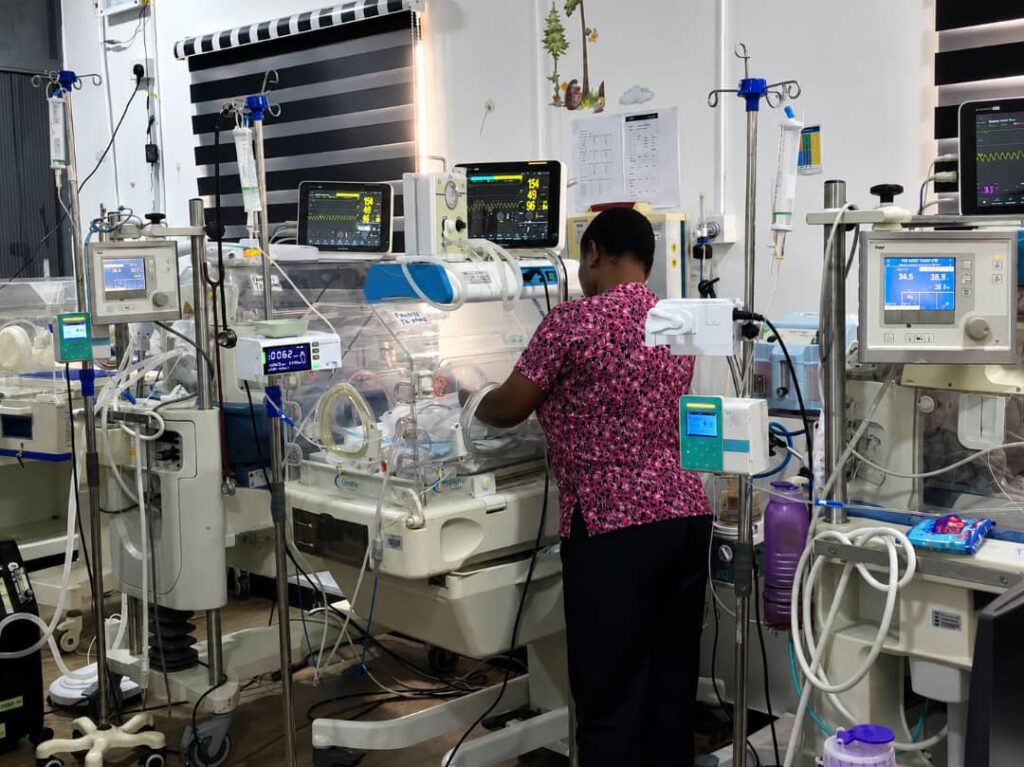
A Neonatologist, Dr. Efunbo Dosekun, has urged women planning to become pregnant and expectant mothers to adopt preventive healthcare measures that can help reduce the risk of preterm births.
Dosekun, Co-Founder of Babies Matter Medical Centre (BMMC), a subsidiary of Outreach Signature Hospitals, gave the advice in an interview with the News Agency of Nigeria (NAN).
She identified healthy nutrition, folic acid supplementation, prevention of sexually transmitted infections, and protection against hepatitis B and C as important measures for reducing the risk of complications associated with pregnancy and preterm birth.
According to the World Health Organisation (WHO), preterm babies are those born alive before completing 37 weeks of pregnancy. Preterm births are further classified according to gestational age.
Preterm birth remains a major cause of death among children under five, while some babies who survive may experience long-term health complications, particularly where adequate healthcare is not available.
Dosekun emphasized that prevention should begin even before pregnancy.
“Intending mothers must put on a preventative hat or approach, and this starts even before you get pregnant. Outside the country, once you are 18 years of age, you are encouraged to start taking folic acid.”
She explained that folic acid is important in helping prevent neural tube defects such as spina bifida, which can result in serious complications and disability.
She also encouraged women to maintain good nutrition and take steps to prevent infections, including sexually transmitted infections and other viral conditions, during pregnancy.
According to her, women with existing health conditions, genetic concerns, hypertension and other medical conditions should seek care from appropriate specialists before and during pregnancy.
Beyond individual prevention, Dosekun called for stronger national systems to improve outcomes for premature babies in Nigeria.
“Worldwide, care of a preterm baby is very difficult, but there are some steps that advanced countries have taken to increase the survival chances for premature babies, particularly babies less than 32 weeks.”
She said that with appropriate interventions, many premature babies could survive and thrive, stressing the need to strengthen confidence in Nigeria’s healthcare system.
“These babies don’t need to die if we do the right thing in the country, and that is why we are so passionate about what we are doing at BMMC and to also increase the faith of Nigerians in our health system.”
Dosekun said BMMC works with doctors, government institutions and communities to improve awareness, strengthen neonatal care practices and help change the narrative around the survival and care of preterm babies.